The Mansion Tax and the London Family House: What to Settle Before You Plan the Works
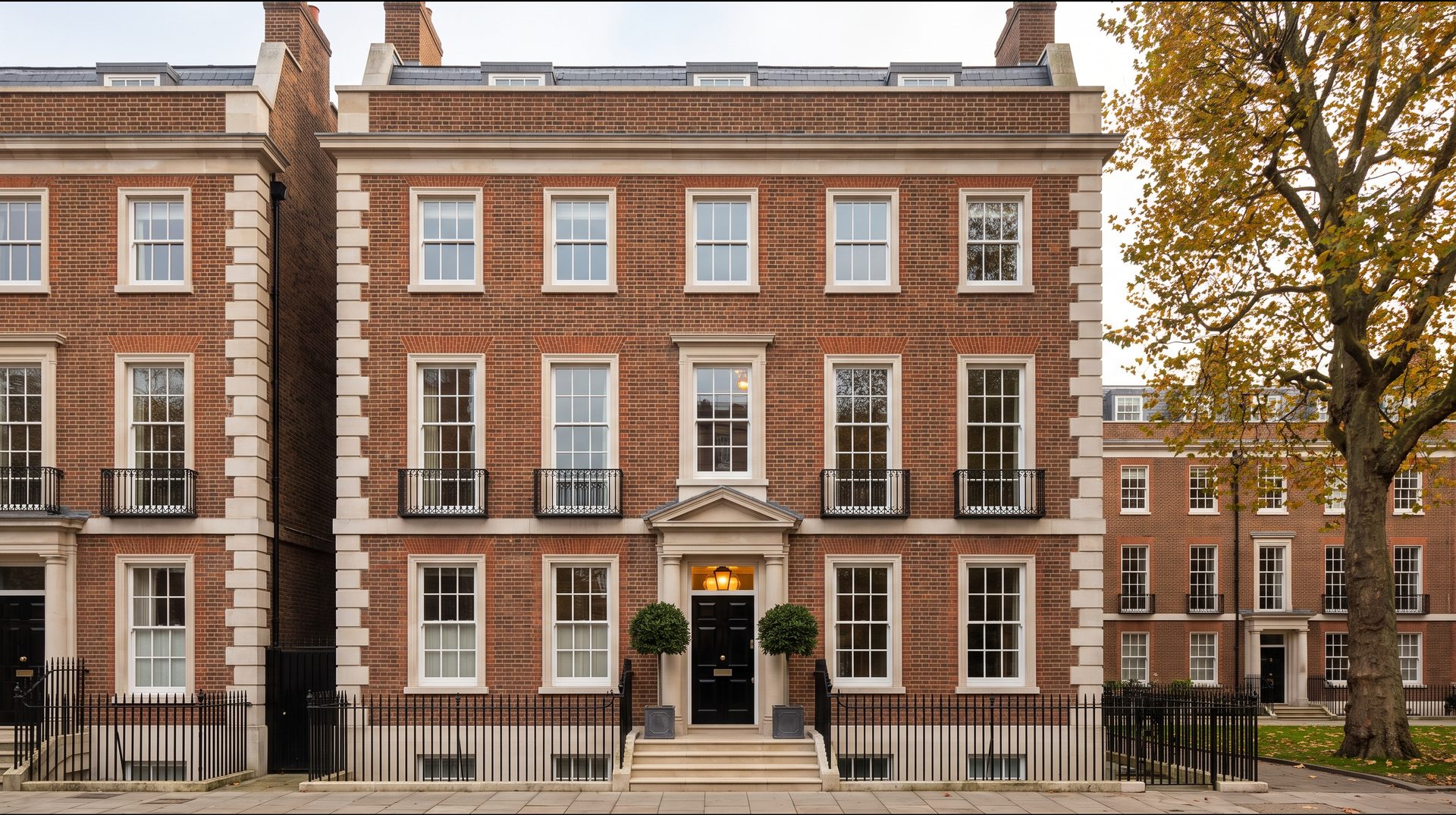
The mansion tax will not decide whether a family keeps its house, but it can change the order in which the decisions are made.
The mansion tax, which the government calls the High Value Council Tax Surcharge, is due to begin in April 2028. For many owners of large London houses the first reaction is practical rather than political: if we are going to renovate, extend or reorganise the house, should we do it before this arrives, or after?
We design and build private homes from concept to completion, and have done since 1987. In our experience the question is seldom about the tax itself. It is about whether a family has settled how it wants to live in the house, who owns it, and what order the work should come in. This article sets out what is published, what is not yet known, and what we would settle first.
The facts below were checked on 15 October 2026. The Budget is expected on 28 October, and it may change them.

What the mansion tax is, in the government’s own words
The government’s published summary describes an annual surcharge on residential property in England worth £2 million or more in 2026, taking effect in April 2028. The charge rises in four steps: £2,500 a year for homes valued between £2 million and £2.5 million, £3,500 between £2.5 million and £3.5 million, £5,000 between £3.5 million and £5 million, and £7,500 above £5 million.
It is paid alongside existing council tax, collected by local authorities, and is due to rise with CPI inflation each year from 2029-30. The Valuation Office is to carry out a targeted valuation exercise to find the properties above the threshold, with revaluations every five years. The government expects fewer than one per cent of English properties to be affected.
A consultation was set to cover reliefs and exemptions, support for owners who may struggle to pay, and the treatment of companies, trusts and partnerships. The detail that matters most to any individual owner is likely to sit there.

Valuation, and where building work comes in
The published material does not say how improvements or extensions will be treated. The threshold refers to a value in 2026, and a valuation is a view of the house as it stands. Our own reading, which your advisers should confirm, is that the surcharge turns on the value of the house rather than on the cost of any single project. Nothing we have seen from the government settles the point, so we would not plan a programme around it.
What we would do, whatever the outcome, is make sure the house is well documented. Current measured drawings, the planning and building control record for earlier works, and a clear account of what has been altered and when are useful to a valuer, a buyer, an insurer and a designer alike. We write about this in our piece on pre-purchase appraisals for super-prime properties, and the same discipline applies to a house a family has owned for years.
It also helps to separate two kinds of work. Repairs, services and structure keep a house sound and are rarely optional. Reorganisation and extension change how it is lived in. In our experience families decide better when the two are costed separately.

Who pays, and why ownership comes first
The government’s summary states that homeowners, not occupiers, are liable. It also lists companies, funds, trusts and partnerships among the matters for consultation. So the first question for a family is not a design question at all: how is the house held, and who would be responsible for the surcharge and for the cost of any works?
That is a matter for a family’s solicitors, tax advisers and family office, and their advice comes first. We ask for the answer because it decides who instructs and pays for the architect and builder, and in what name the planning applications and contracts are made. A design programme that starts before that is settled can be forced to stop and restart.

What to settle before you plan the works
With ownership understood, we would turn to the family. How do you want to use the house in ten years, rather than this winter? Which floors will children, grandchildren and guests use, where does the household work, and what does the house need simply to stay in good order? Those answers shape a brief, and the brief shapes the drawings.
Only then would we look at sequence. Works that belong together are best done together, so that a family does not live on site twice. That means agreeing the brief, commissioning an architect to test it against the house, obtaining the consents, and only then appointing a contractor to a programme everyone has seen. Our Clarity appraisal exists to settle these questions before any work starts, and our guide to buying and renovating London’s prime properties sets out the order in more detail.

A calm view of a moving policy
Commentators have been discussing possible changes to property taxes ahead of the Budget, among them the accountants BKL and The Negotiator, which reports predictions of increases. None of that is settled, and we would not plan a house around a rumour.
A house planned around how a family lives holds its value in use whatever the tax does. The rooms people gather in, the services that work quietly, the storage that keeps a household in order and the garden that suits the way they entertain do not depend on a threshold. Settle who owns the house, settle how you live in it, and the rest of the plan follows from there.
This article is general information, not tax or legal advice. Please take advice from your own tax and legal advisers on how the surcharge applies to you.